
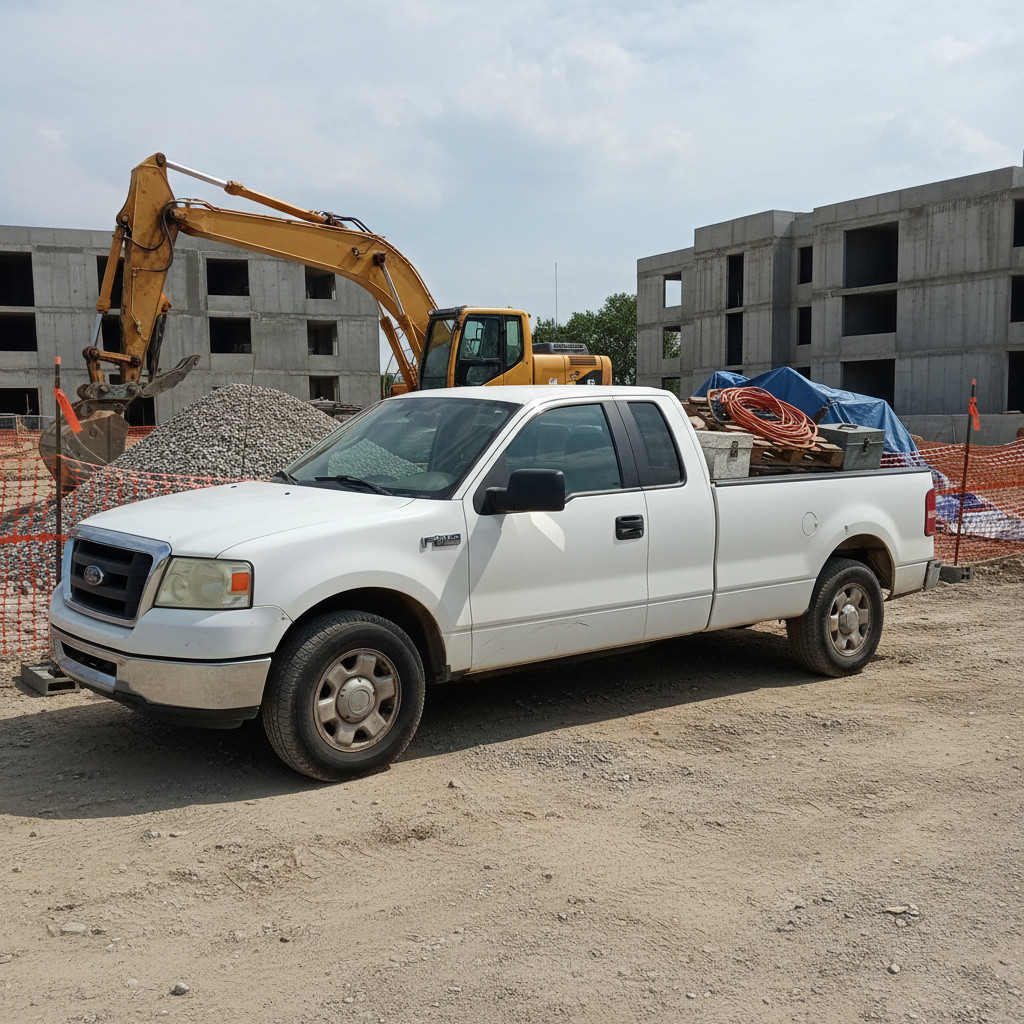
Ford didn’t just build a truck; they built the American identity.
From the dusty farm fields of the 1940s to the silent electric hum of today, the F-Series has seen it all. You might love them for their grit or hate them for their repair bills.
We are diving into the mud to see which ones are legends and which ones are lemons.
Buckle up, because this is the long, oily road of the world’s favorite pickup.
27. 1948-1952 Ford F-1 (The First Generation)
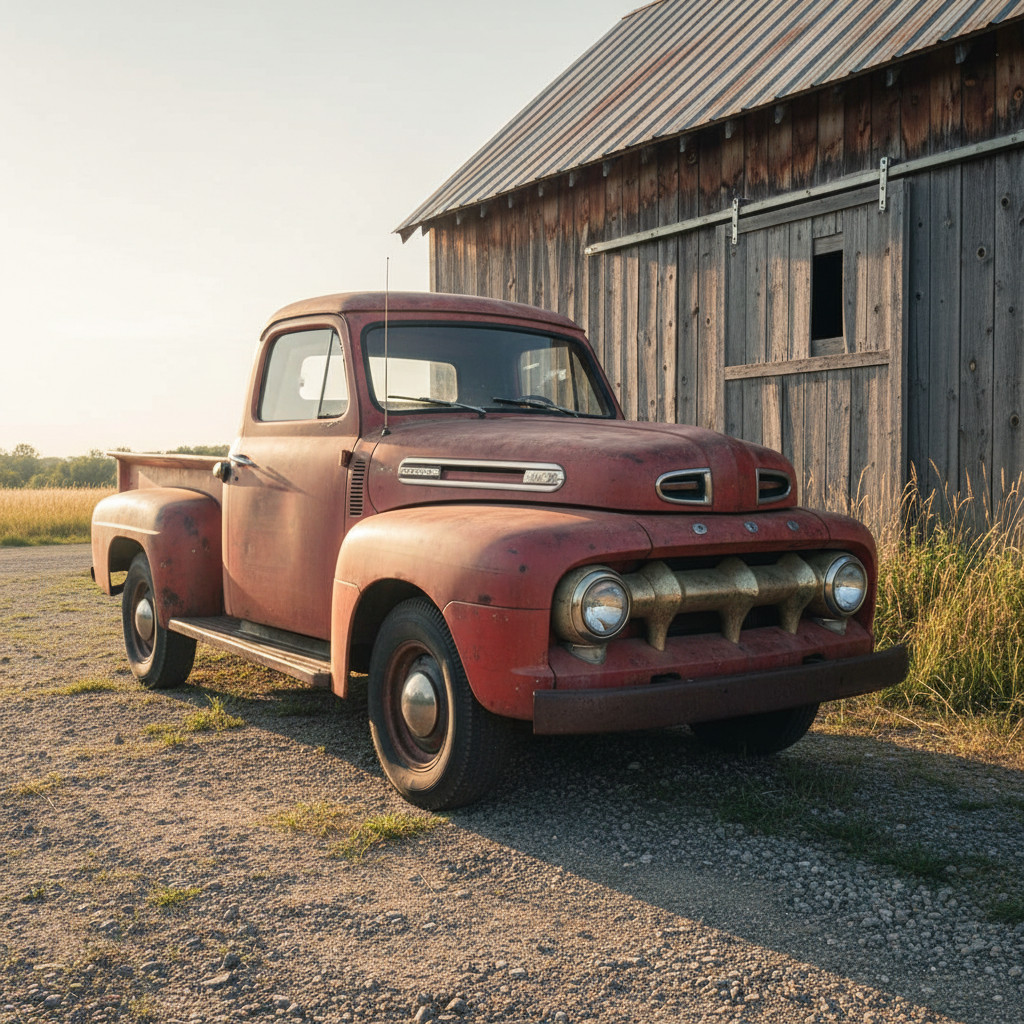
The 1948 F-1 was the first time Ford designed a truck to be a truck rather than just a car with a bed.
You had to be a real athlete to drive this because power steering was nothing but a distant dream.
It was nicknamed the ‘Bonus Built’ because the cab was actually wide enough to fit more than one human comfortably.
Those Flathead V8 engines sounded like a dream but would overheat the moment you showed them a steep hill.
You could buy a brand new one for about $1,200, which wouldn’t even cover the sales tax on a modern King Ranch.
It set the template for every American workhorse that followed it into the dirt.
26. 1953-1956 Ford F-100 (The Second Generation)
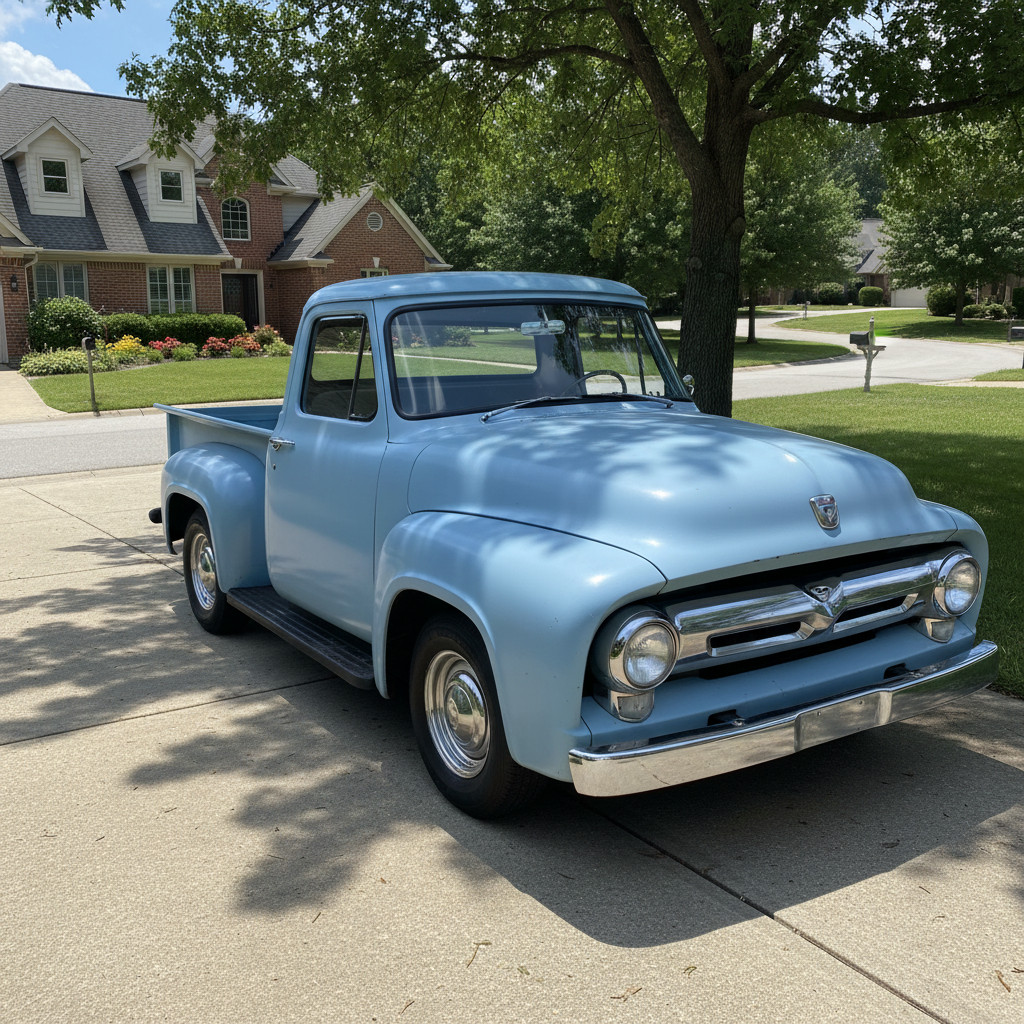
This is the truck that every person pictures when they close their eyes and think of a ‘classic’ Ford.
You got a panoramic windshield and a redesigned dashboard that actually tried to look stylish.
Ford celebrated its 50th anniversary with this model, giving you a truck that finally felt like a member of the family.
The 1956 model is the holy grail for collectors because of its unique wrap-around windshield design.
Of course, the vacuum-operated windshield wipers would stop moving the second you stepped on the gas to pass someone.
It was a charming, beautiful machine that unfortunately still had the braking power of a wet sponge.
25. 1957-1960 Ford F-100 (The Fridge)
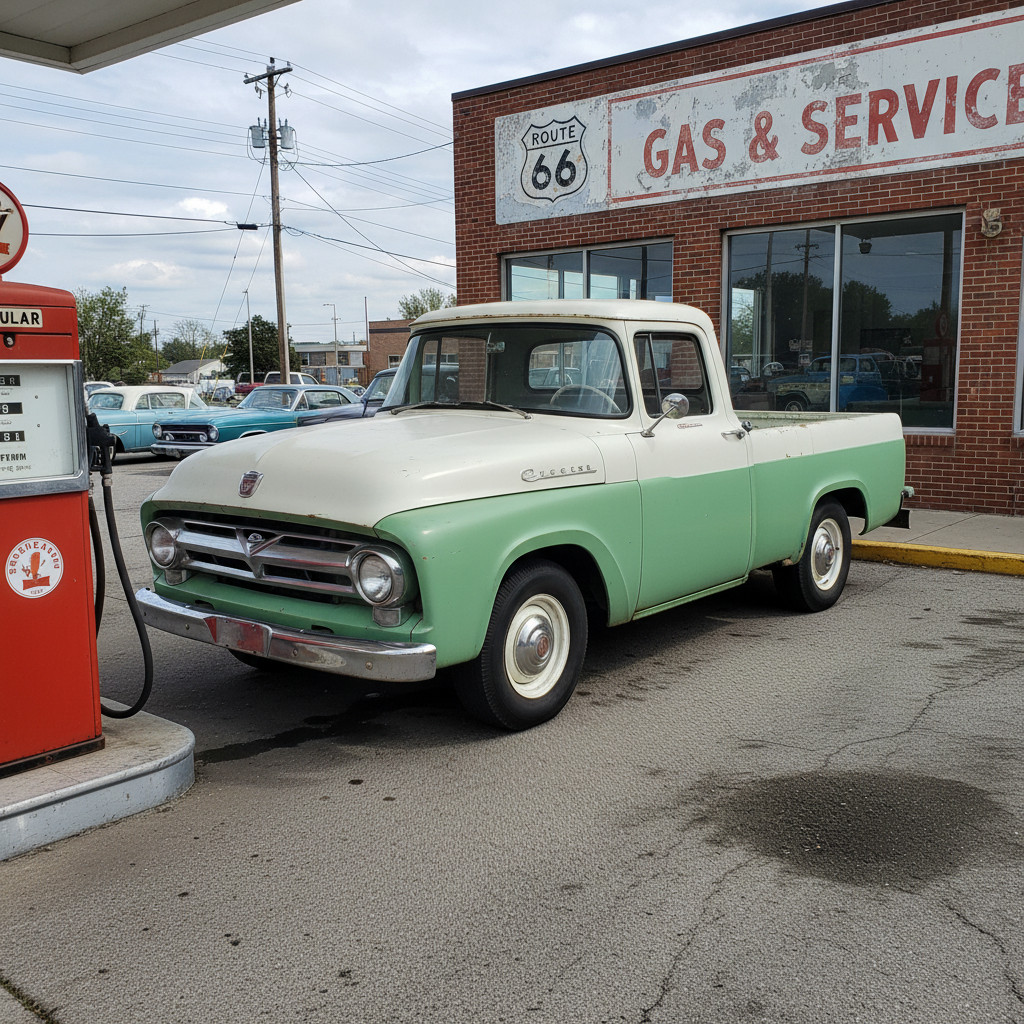
Ford decided that curves were out and boxy, refrigerator-style lines were the future of trucking.
You were introduced to the ‘Styleside’ bed which integrated the rear fenders into the body for a smooth look.
It looked modern and massive, but the hood was so flat you could practically host a dinner party on it.
The transition to a front-hinged hood meant you no longer had to worry about it flying open on the highway.
However, these trucks were notorious for rusting out around the cab mounts before the first decade was over.
It was a bold step toward the modern pickup profile, even if it lacked the grace of its predecessor.
24. 1961-1963 Ford F-100 Unibody
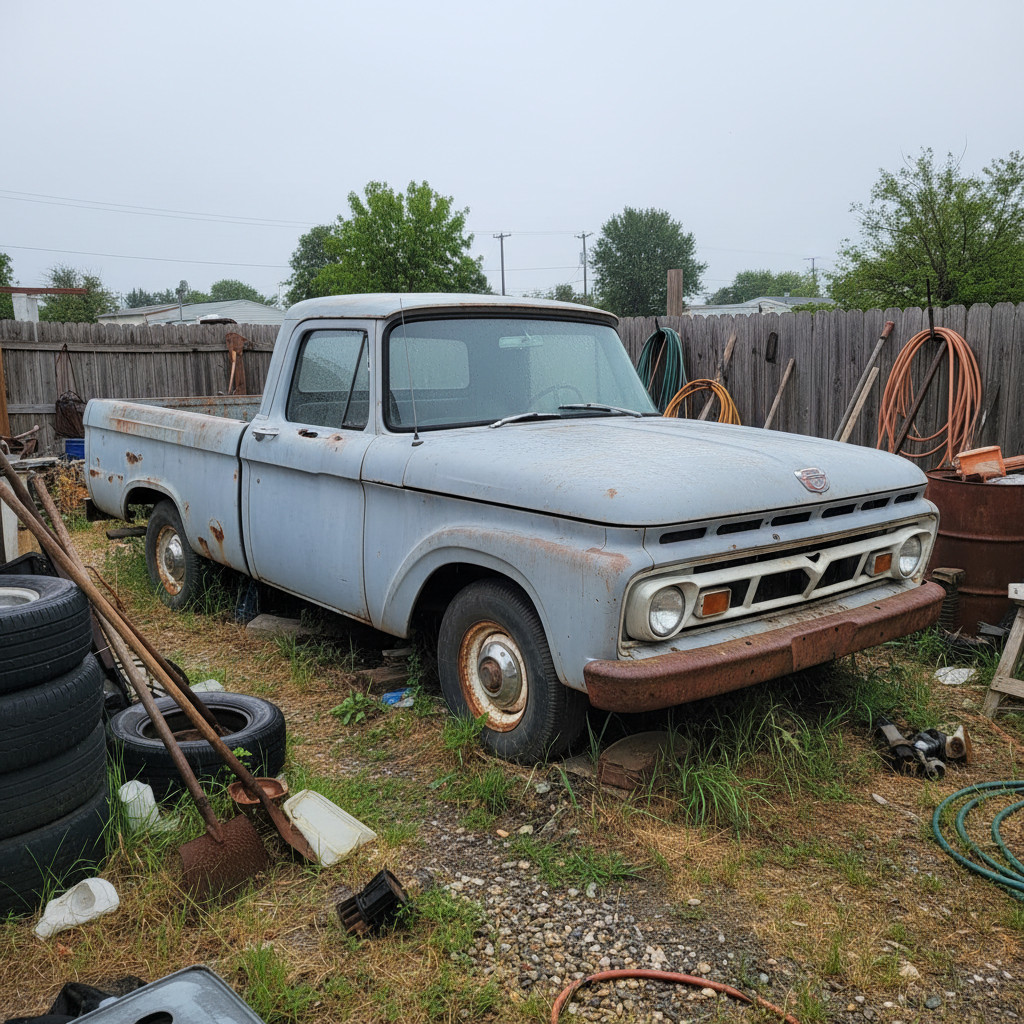
Ford engineers had a brilliant idea to weld the cab and the bed together into one solid piece.
You quickly discovered that if you put a heavy load in the back, the body would flex so much the doors wouldn’t open.
It was a catastrophic design flaw that made the truck feel like it was made of warm plastic.
Owners complained that if they parked on an uneven curb, they were effectively locked out of their own vehicle.
Ford quietly killed the design after only three years because the warranty claims were eating them alive.
It remains a weird, failed experiment that collectors now hunt for because of its rarity and strange lines.
23. 1961-1966 Ford F-100 (The Fourth Generation)
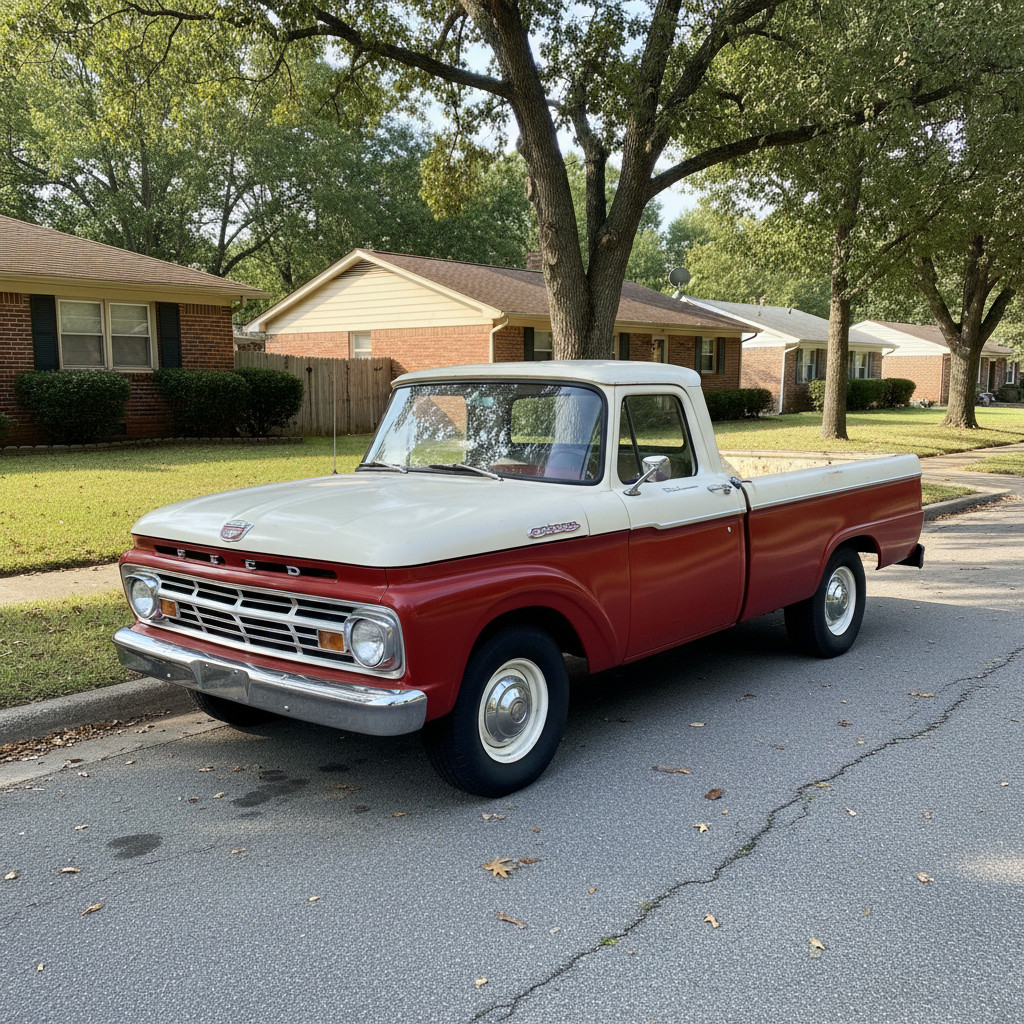
After the Unibody disaster, Ford went back to basics and gave you the legendary Twin I-Beam front suspension.
You finally had a truck that didn’t ride like a farm tractor on a rocky road.
It promised a ‘car-like ride,’ which was a bit of an exaggeration, but it was a massive improvement over the old solid axles.
This was the era where the 300 cubic-inch straight-six engine became the unkillable heart of the Ford lineup.
That engine would survive a nuclear blast, even if the rest of the truck rusted away around it.
It was the first Ford truck that you could actually imagine driving across the country without needing a chiropractor afterward.
22. 1967-1972 Ford F-100 (The Bumpside)
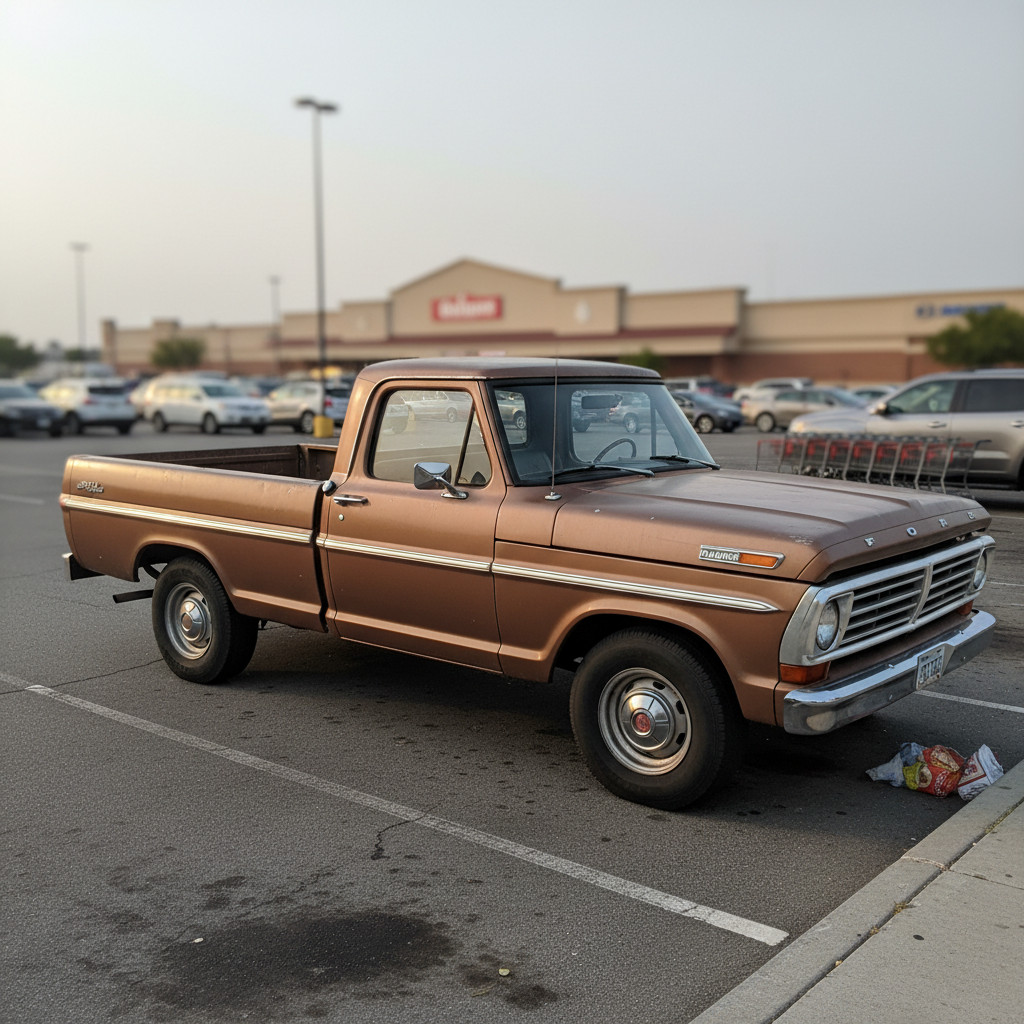
This generation is known as the ‘Bumpside’ because of the distinct horizontal ridge running down the body.
You got a wider cab and more glass, making it feel like you were driving a greenhouse on wheels.
This was the moment Ford started caring about ‘luxury’ features like padded armrests and actual radios.
The Ranger trim level turned the humble work truck into something you weren’t embarrassed to take to church.
The downside was the gas tank was still located inside the cab right behind the seat.
You would spend your entire commute smelling like an Exxon station, which was just part of the ‘experience’ back then.
21. 1973-1979 Ford F-150 (The Dentside)
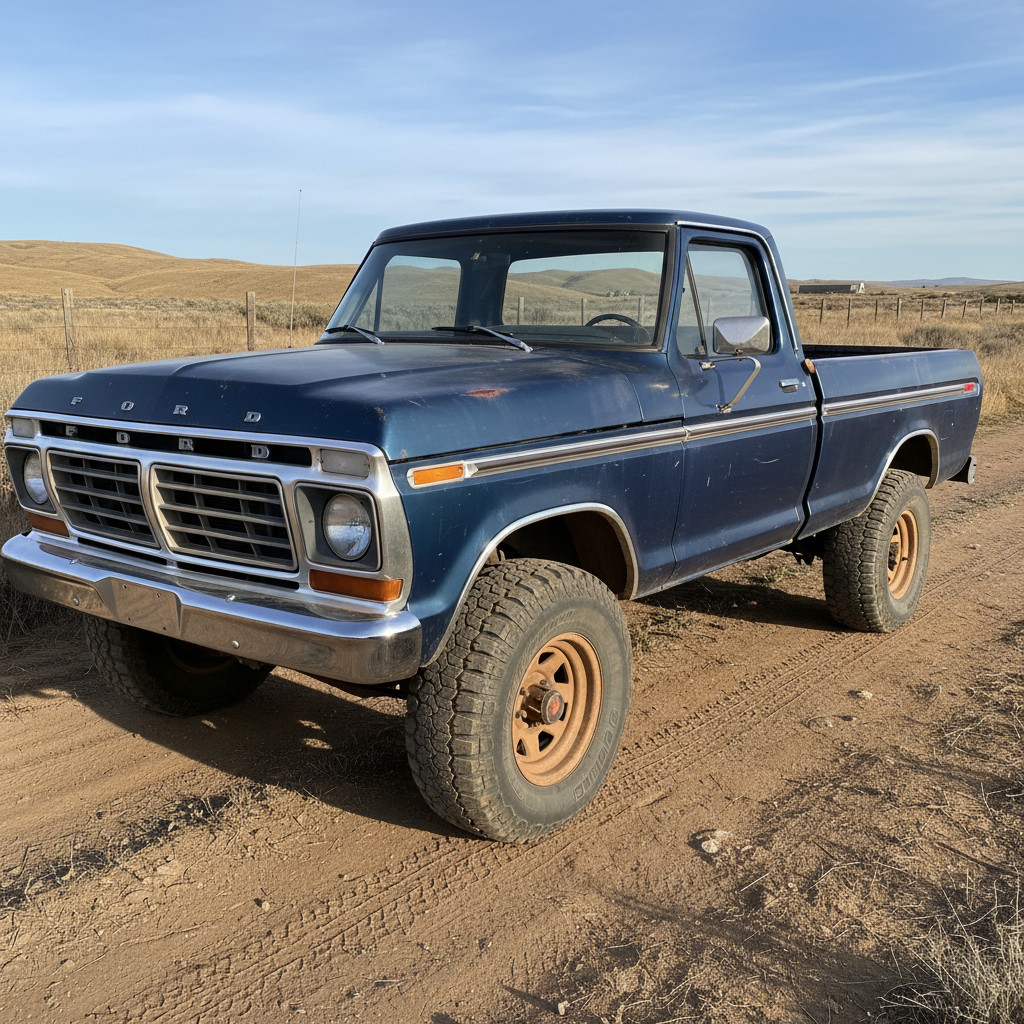
The ‘Dentside’ moved the fuel tank under the bed, which was a huge win for anyone who didn’t want to sit on a bomb.
You saw the introduction of the F-150 nameplate in 1975 to dodge some pesky emissions regulations.
This truck looked tough, felt tough, and had a grill that looked like it could eat a smaller car for breakfast.
It was the last generation to feature the round headlights before the square-eye revolution took over.
Rust was still the primary predator here, especially in the floorboards and the rear wheel arches.
If you find a clean one today, you’ll pay a premium because these are the peak ‘tough truck’ aesthetic for many.
20. 1980-1986 Ford F-150 (The Bullnose)
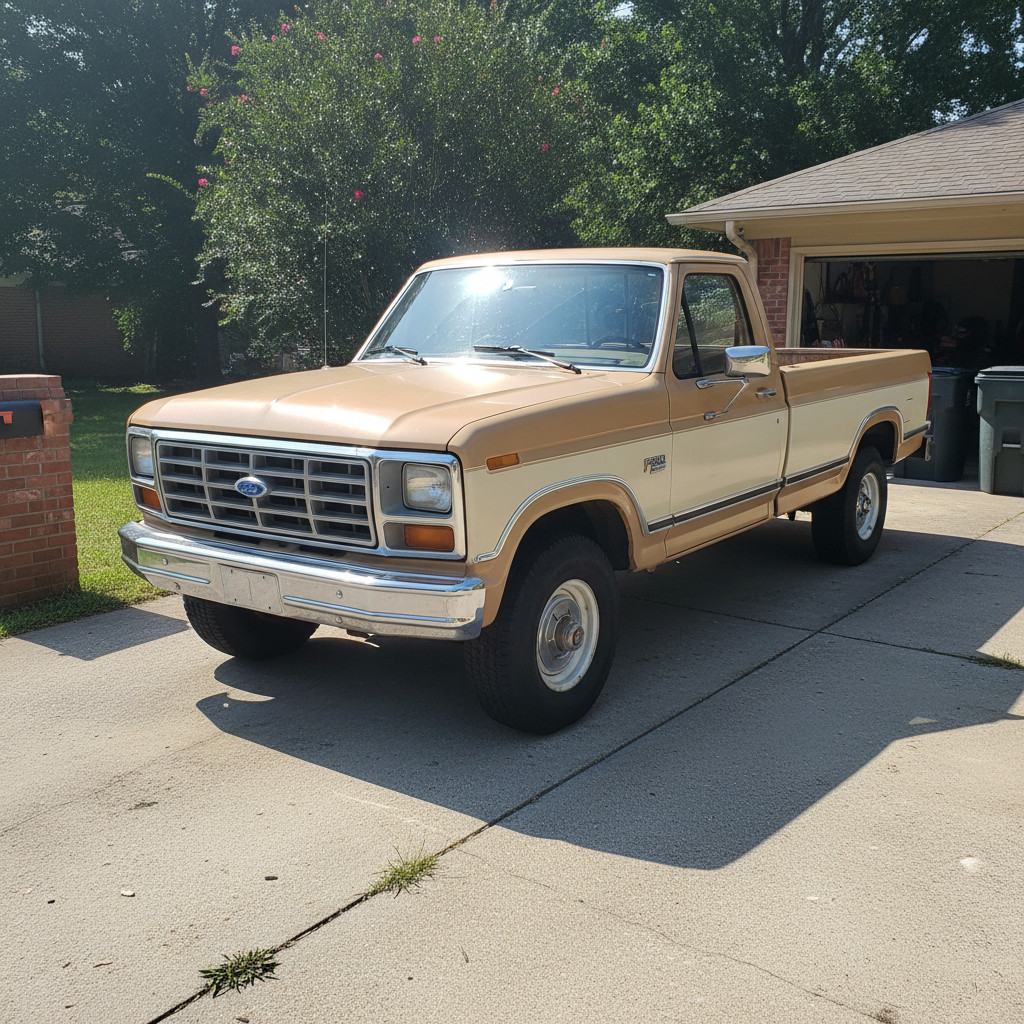
Ford went for a more aerodynamic look with the ‘Bullnose,’ though it still had the drag coefficient of a brick.
You might have ended up with one of the early 1980 models that had ‘Swiss cheese’ frames to save weight.
Those frames were so full of holes they were prone to snapping if you actually tried to use the truck for work.
By 1982, they fixed the frame issues and gave us the iconic blue oval logo in the center of the grille.
This was also the era when fuel injection started creeping in, making cold starts a lot less of a prayer session.
It felt like a modern vehicle inside, but it still had the soul of a heavy-duty mule.
19. 1987-1991 Ford F-150 (The Bricknose)
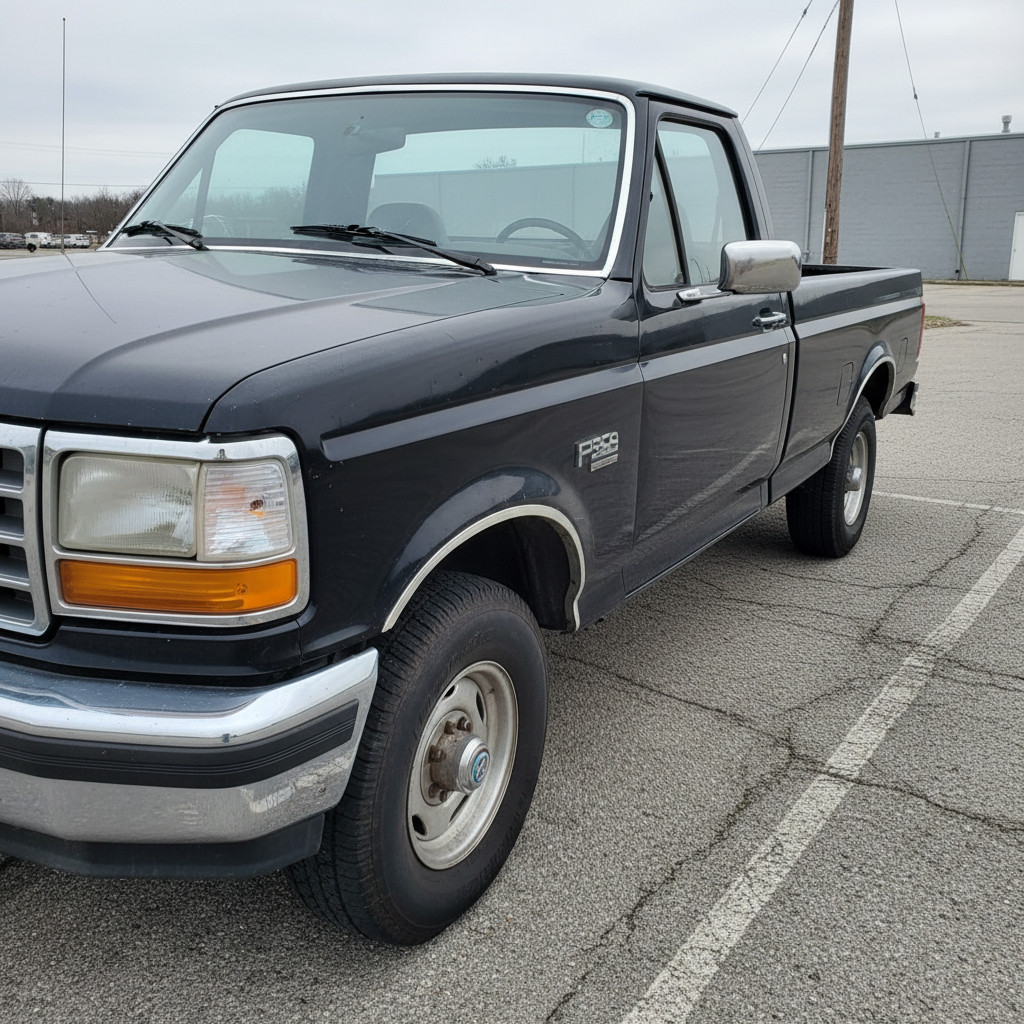
The ‘Bricknose’ brought flush-mounted headlights and a much cleaner, more corporate look to the F-Series.
You finally got standard fuel injection across the board, which meant your truck actually ran consistently.
The interior was upgraded with a lot more plastic, which was the style at the time, though it rattled like crazy.
Rear-wheel anti-lock brakes became standard, which helped keep the tail from passing the nose in the rain.
It was a reliable, steady workhorse, but it lacked the visual personality of the older trucks.
Most of these were used as disposable tools, so finding one that isn’t beat to death is a minor miracle.
18. 1992-1996 Ford F-150 (The OBS)
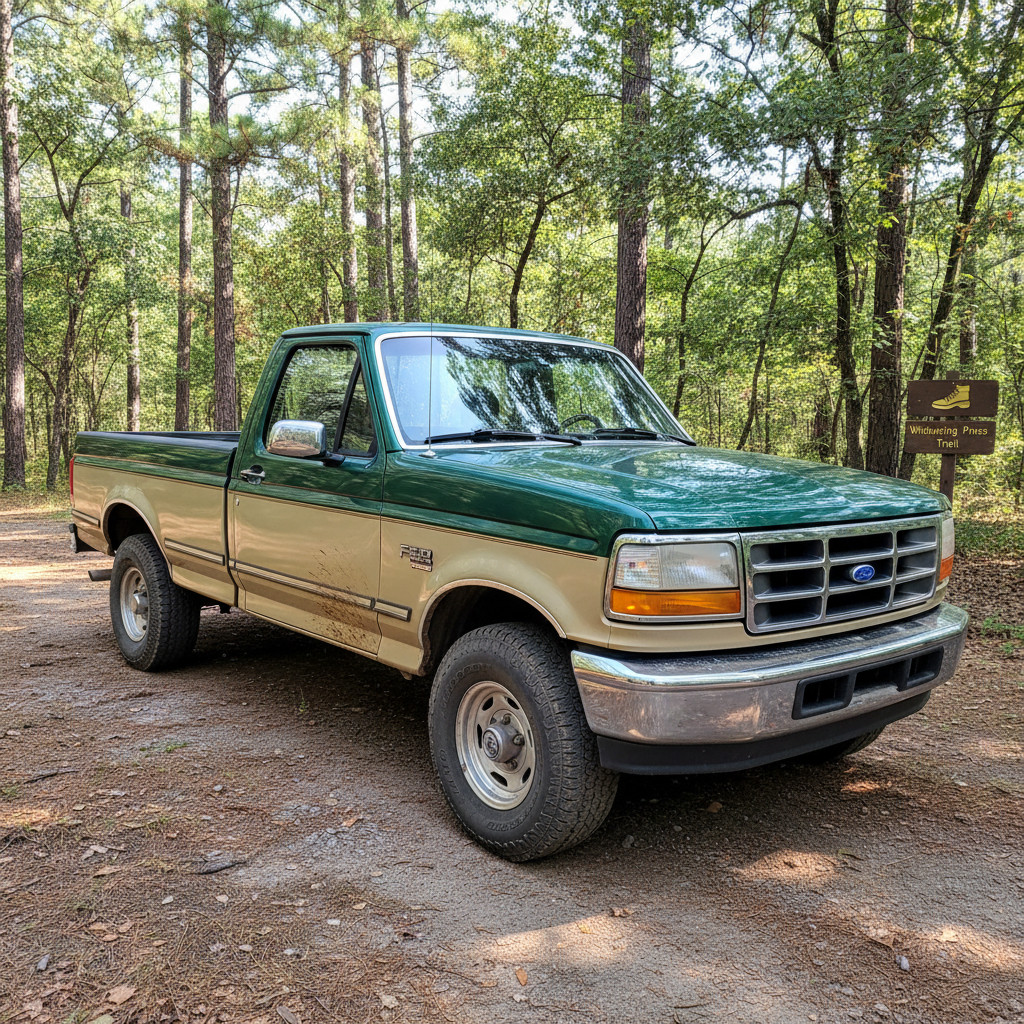
Enthusiasts call this the ‘Old Body Style’ or OBS, and it is currently the darling of the truck world.
You got a softened front end and a much more comfortable interior that didn’t feel like a penalty box.
The 1996 model was the first to get OBD-II diagnostics, making it easier for you to figure out why the check engine light was on.
It was the end of an era for the legendary 300 straight-six and the pushrod V8 engines.
These trucks were built like tanks and are still regularly seen doing actual work thirty years later.
You’ll pay a ‘nostalgia tax’ if you want to buy a clean one today because everyone wants that classic 90s look.
17. 1993-1995 Ford SVT Lightning (The First Gen)
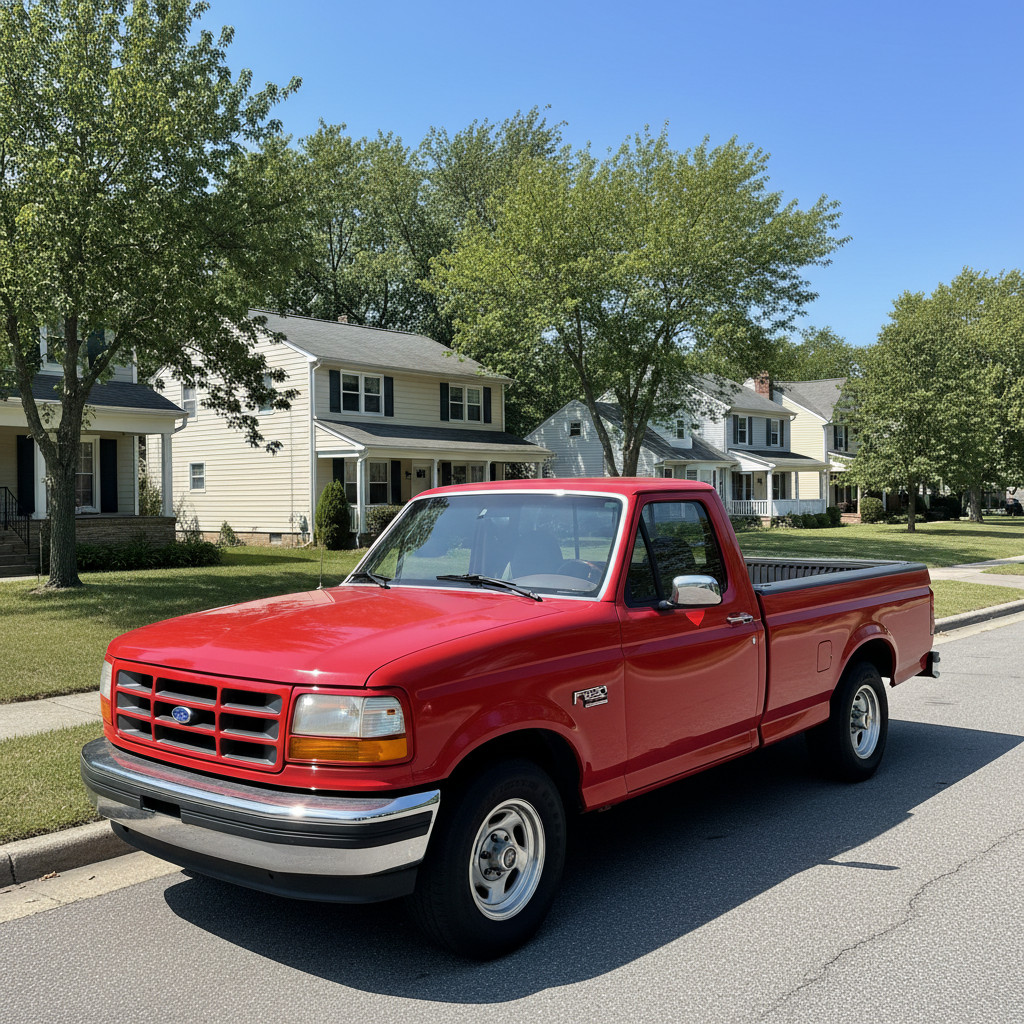
Ford decided that trucks should be able to handle corners and beat sports cars in a drag race.
You got a 5.8L V8 that was massaged by the Special Vehicle Team to produce a whopping 240 horsepower.
That sounds tiny now, but in 1993, it was enough to make you the king of the stoplight.
It sat lower to the ground and came with 17-inch aluminum wheels that were massive for the time.
You couldn’t really tow much with it, but that wasn’t the point of a truck that could out-corner a Mustang.
It was the beginning of the performance truck wars, and Ford threw the first heavy punch.
16. 1997-2003 Ford F-150 (The Jellybean)
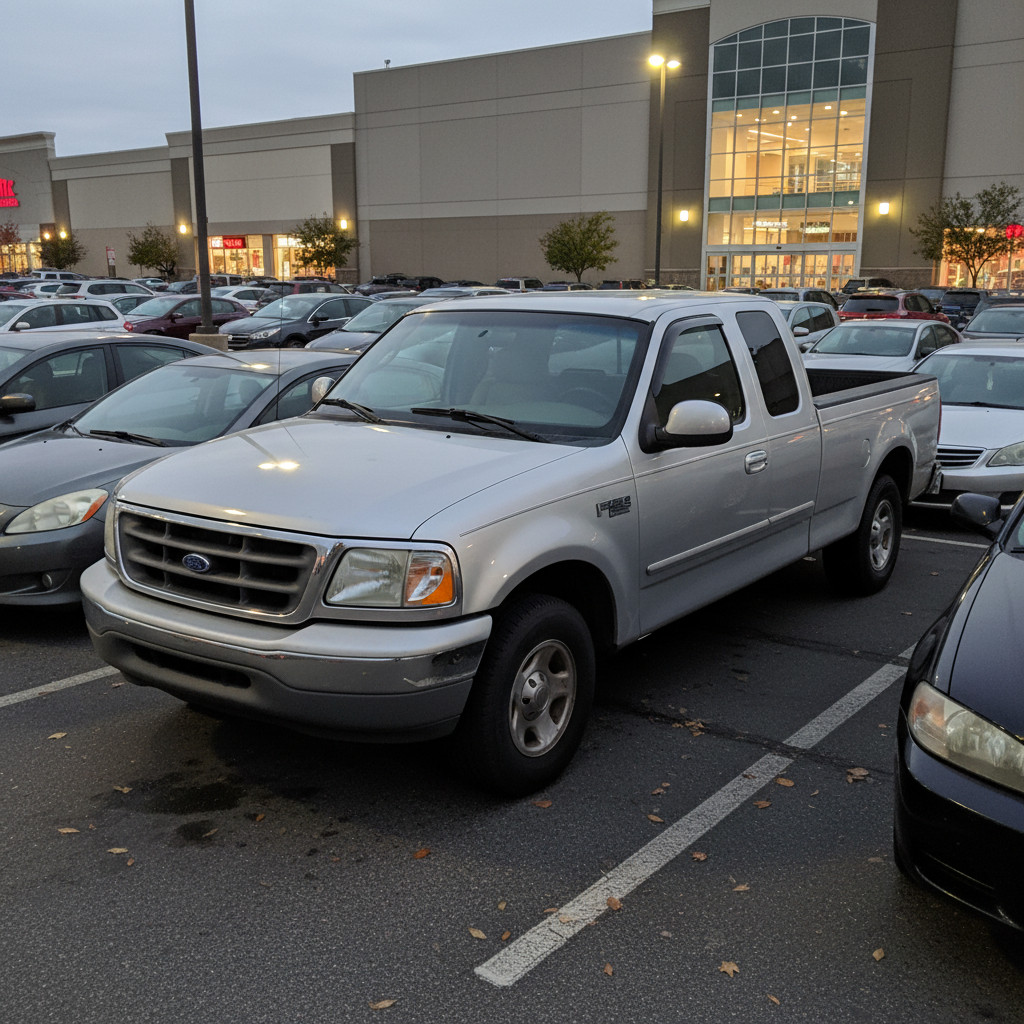
Ford decided the truck of the future should look like a melted bar of soap.
You either loved the ‘Jellybean’ styling or you missed the sharp edges of the previous decade.
Under that rounded hood sat the 5.4L Triton V8, a motor that had a nasty habit of spitting out spark plugs.
Imagine driving down the highway and hearing a ‘pop’ followed by the sound of a lawnmower on steroids.
It would cost you $400 for a Time-Sert kit just to fix Ford’s engineering oversight on the cylinder heads.
But hey, the chassis was significantly stiffer and the ride was the smoothest a truck had ever been.
15. 1999-2004 Ford SVT Lightning (The Second Gen)
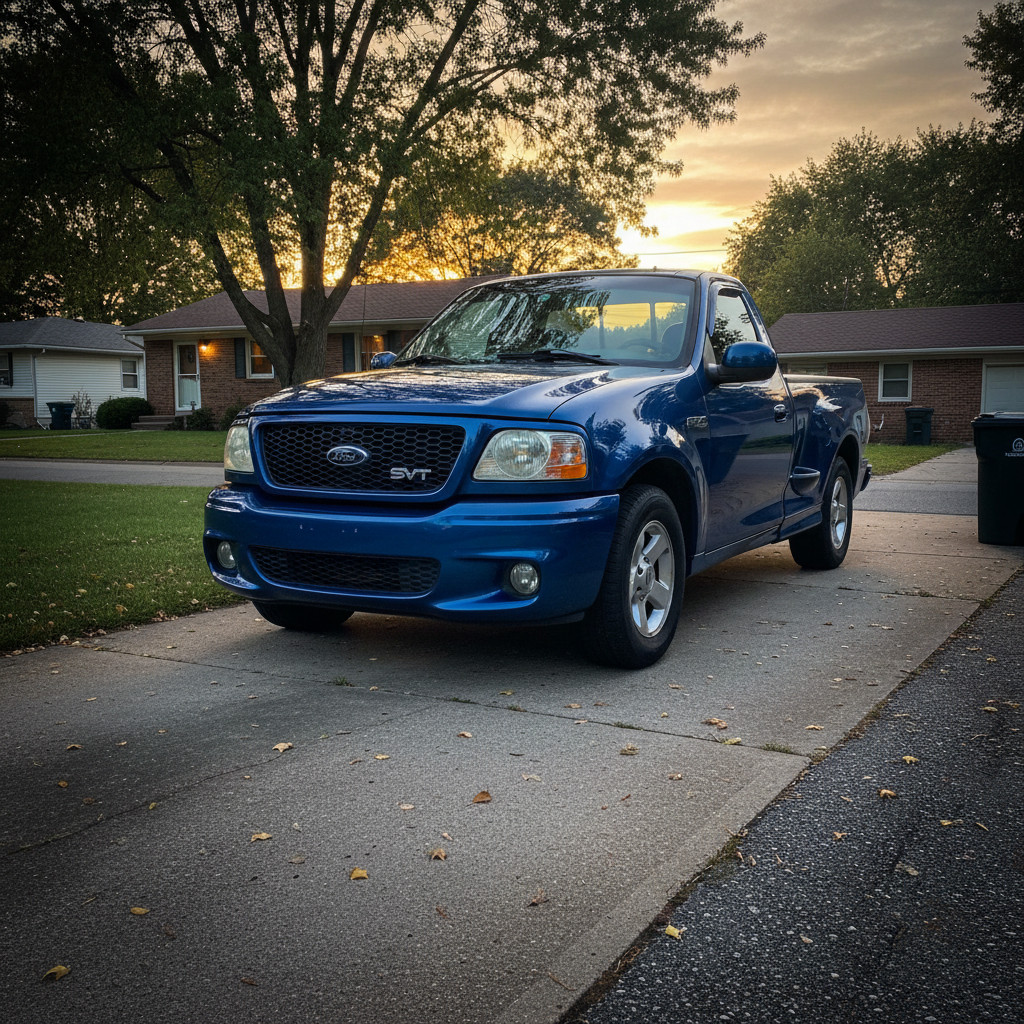
This was the truck that proved Ford had a sense of humor and a lot of superchargers.
You were given a factory-warranted street racer that could do 0-60 in 5.2 seconds.
It screamed like a banshee thanks to the Eaton supercharger bolted to the top of the 5.4L engine.
You had to be careful in the rain because the rear end would kick out if you even thought about the throttle.
It was the ultimate ‘tough guy’ truck of the early 2000s, featured prominently in the first Fast and Furious movie.
Just be prepared to spend your entire paycheck at the gas station because it drank fuel like a thirsty whale.
14. 1999-2003 Ford Super Duty (7.3L PowerStroke)
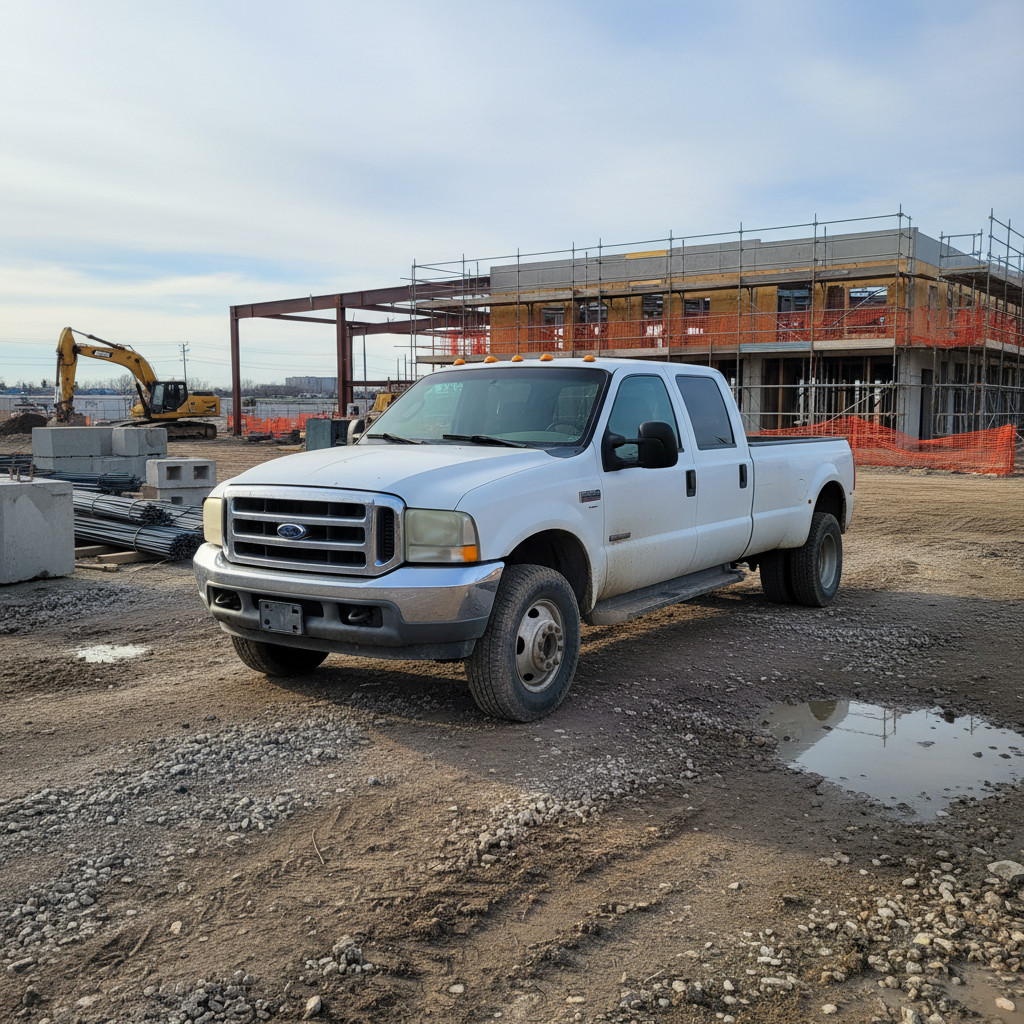
When Ford split the F-250 and F-350 into the ‘Super Duty’ line, they created a legend.
You got the 7.3L PowerStroke diesel engine, which is widely considered the greatest engine Ford ever sold.
It clatters like a box of rocks and moves like a glacier, but it will run for 500,000 miles without breaking a sweat.
This was a truck designed for people who actually had to move mountains or pull massive horse trailers.
The transmission was the weak link, often giving up the ghost long before the engine even broke in.
If you see one of these for sale with low miles, buy it immediately and don’t ask questions.
13. 2003-2007 Ford Super Duty (6.0L Nightmare)
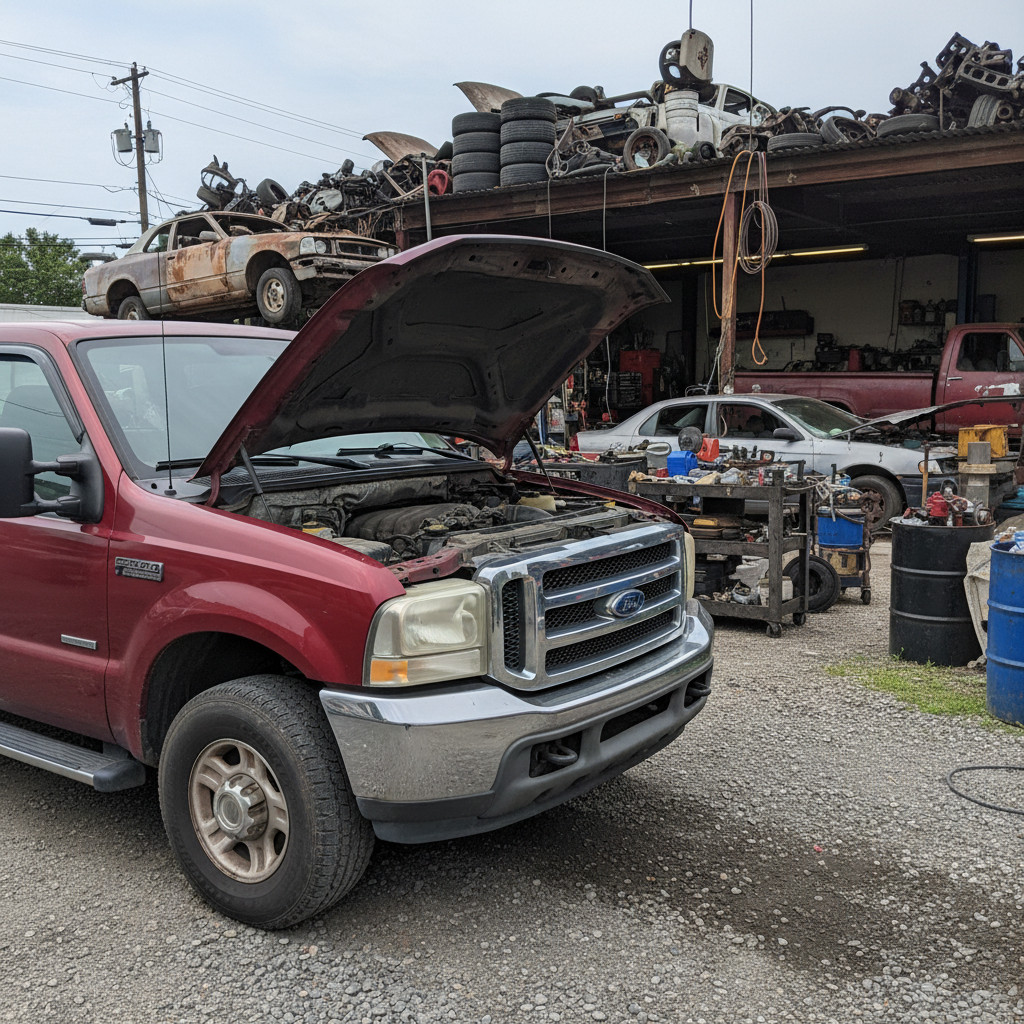
The 6.0L PowerStroke was a gift from the diesel gods that turned into a curse.
You bought it thinking you could pull a mountain, but you ended up pulling over on the shoulder instead.
Head bolts would stretch like warm taffy, leading to a $5,000 ‘bulletproofing’ bill just to make it reliable.
The EGR coolers clogged up faster than a cheap kitchen sink and would ruin your engine in minutes.
When it ran, the whistle of that turbo was pure mechanical music to your ears.
But for most owners, it was just an expensive way to learn the name of every tow truck driver in the county.
12. 2004-2008 Ford F-150 (The Eleventh Generation)
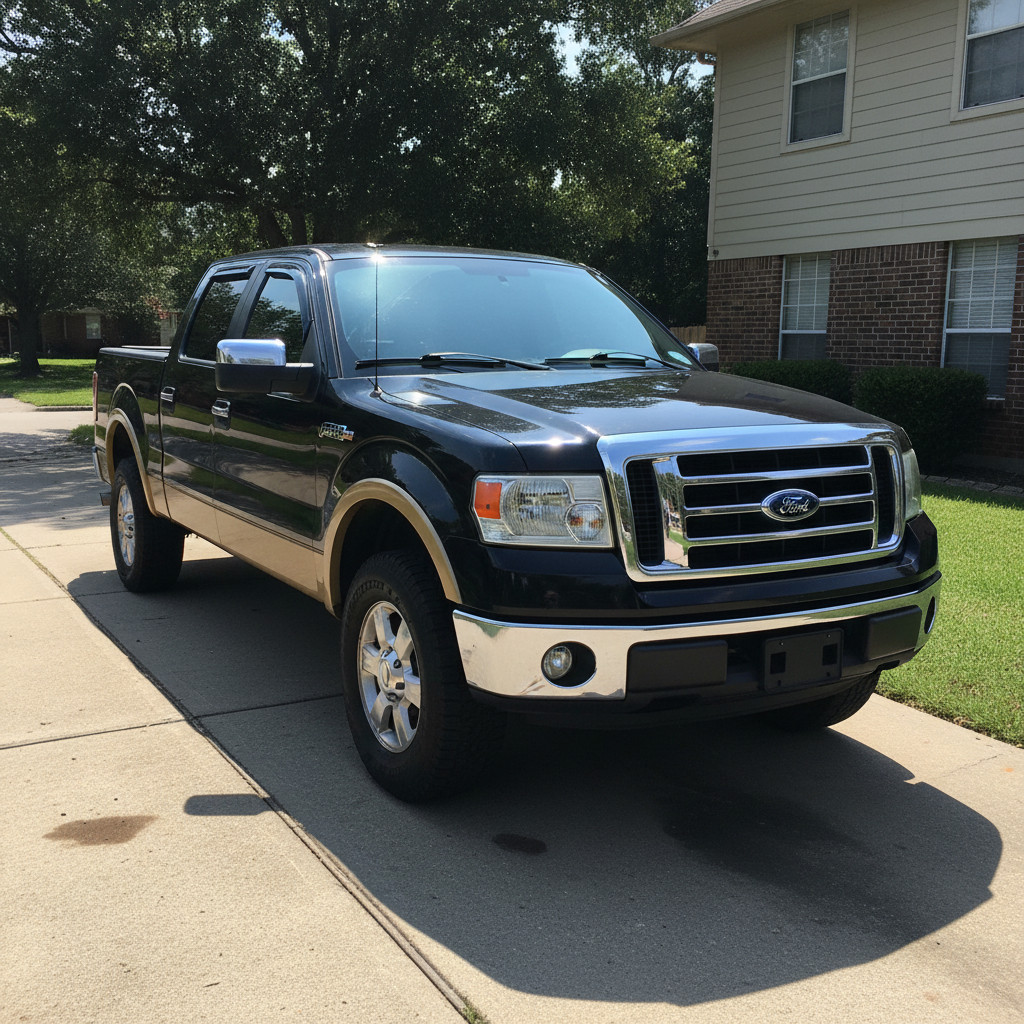
The 2004 F-150 looked like a fortress on wheels, but the engine was often a ticking time bomb.
You felt like the king of the cul-de-sac until the 5.4L 3-valve Triton started making a clicking sound.
That ‘diesel’ noise was actually your cam phasers dying, and a proper fix would run you at least $2,500.
Then there were the spark plugs that would snap in half during a routine tune-up, leaving you stranded.
Mechanics actually had to buy special extraction tools just to get the broken porcelain out of your engine.
It was a beautiful truck to sit in while you waited for the flatbed to arrive and take it to the dealership.
11. 2004-2008 Ford F-150 Harley-Davidson Edition
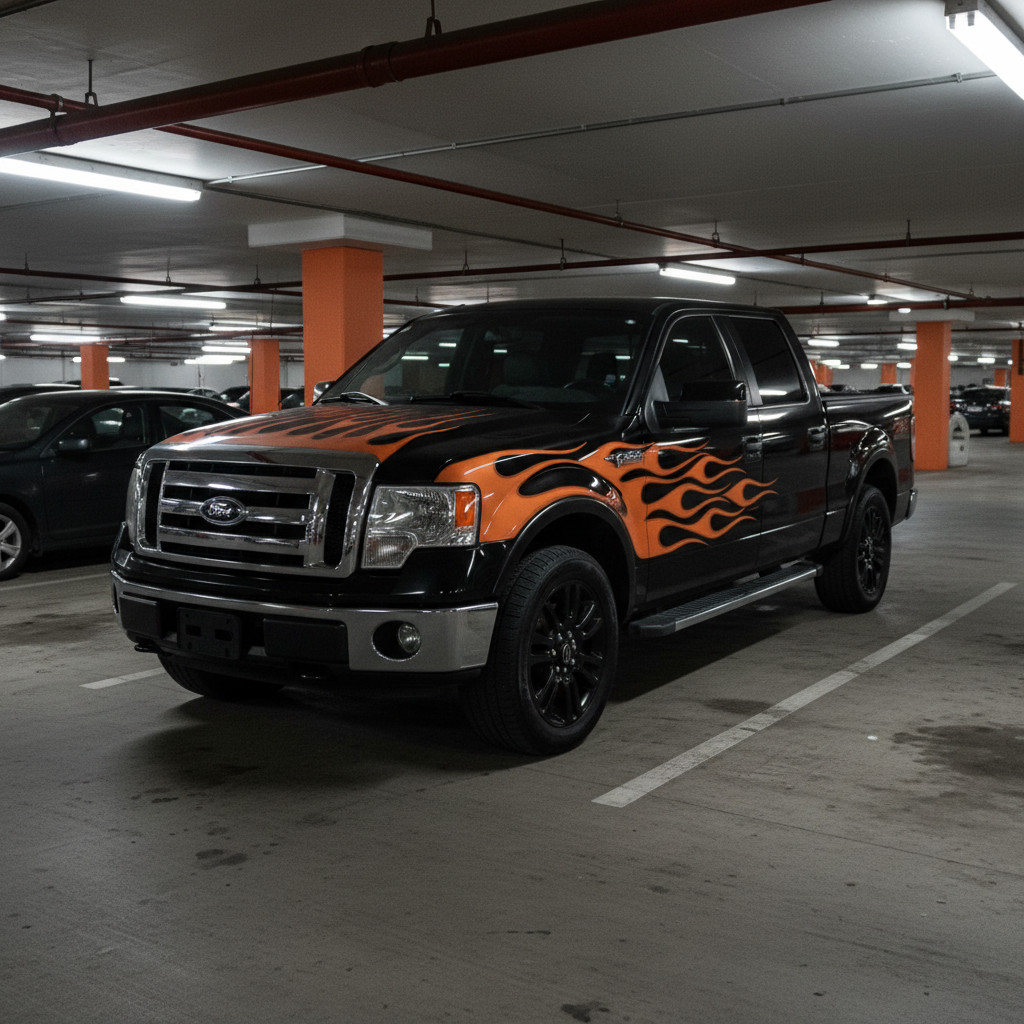
Ford teamed up with the legendary motorcycle brand to create a truck for people who love black leather and chrome.
You got 22-inch polished wheels that looked incredible but made the ride quality feel like a wooden wagon.
The interior featured captain’s chairs and enough Harley badges to make sure you never forgot what you were driving.
It was essentially a luxury car with a bed, designed more for the boulevard than the job site.
You still had to deal with the Triton engine issues, but at least you looked cool while doing it.
It remains one of the most sought-after special editions for fans of the ‘blue oval’ and the ‘bar and shield’.
10. 2008-2010 Ford Super Duty (6.4L Headache)
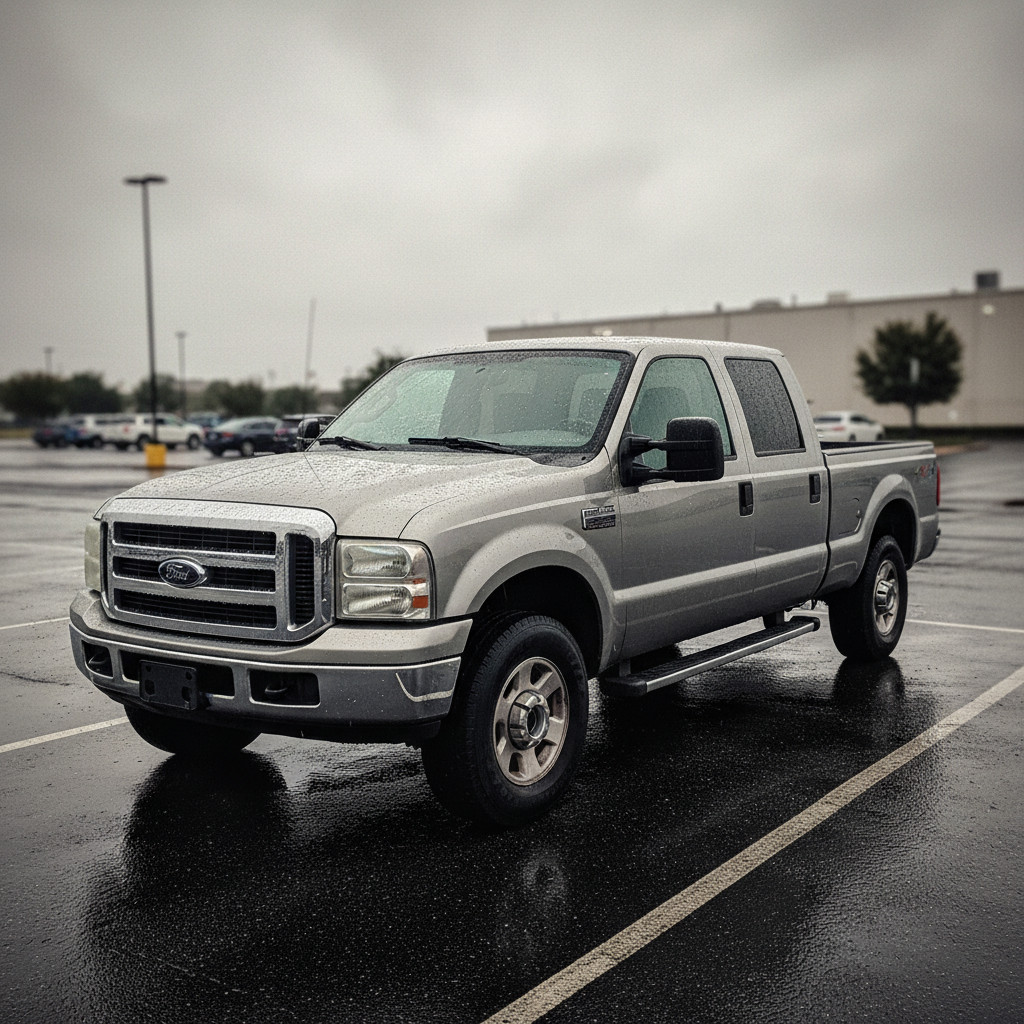
Ford tried to fix the diesel disaster with the 6.4L PowerStroke, but they just created new problems.
You got a truck that could pull a house, but the fuel economy was absolutely abysmal due to early emissions gear.
The sequential turbos provided instant power, but if one failed, you were looking at a massive repair bill.
If a piston cracked—which happened more than it should—the entire engine was basically a $15,000 boat anchor.
To do almost any major engine work, the mechanics had to literally lift the entire cab off the frame.
It was a beast of a truck that required deep pockets and a lot of patience to keep on the road.
9. 2009-2014 Ford F-150 (The Twelfth Generation)
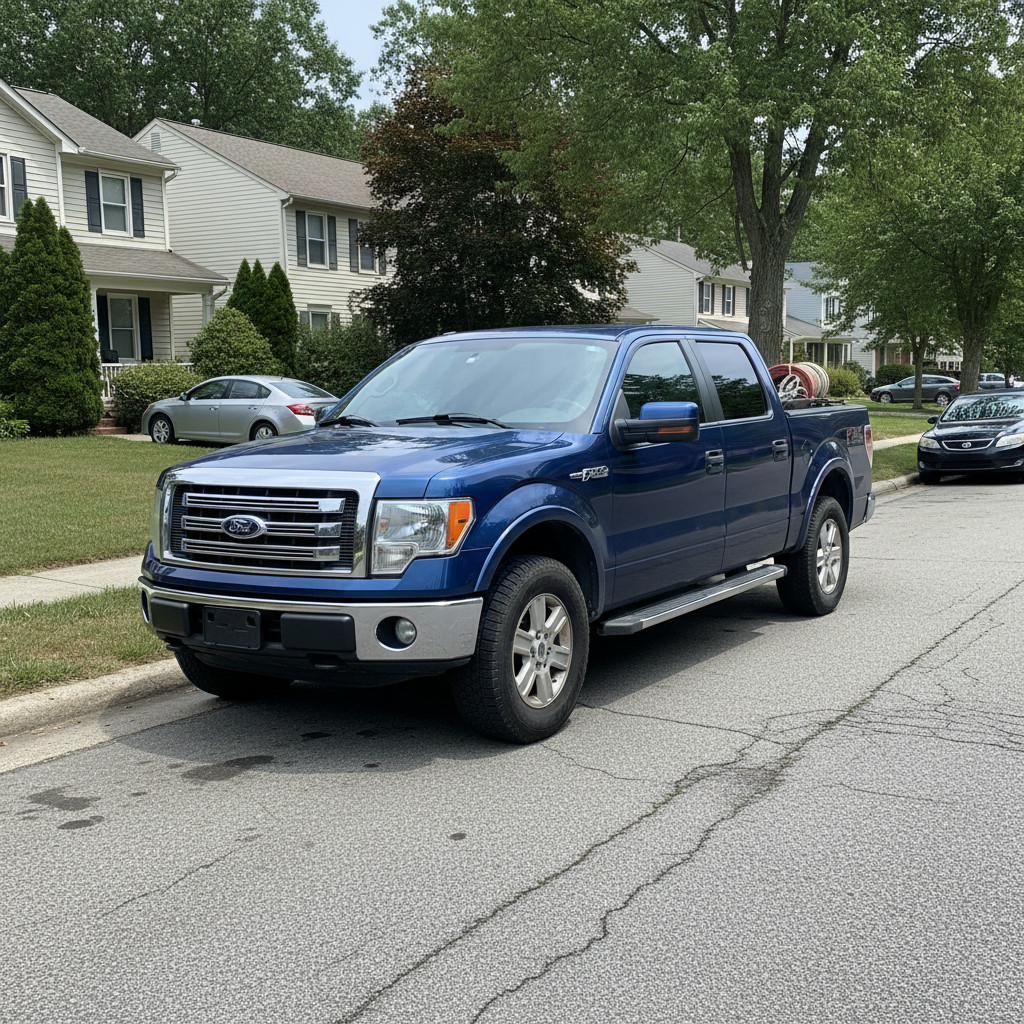
This was the generation where Ford finally got its act together and introduced the EcoBoost V6.
You were told a twin-turbo V6 could do the work of a V8, and surprisingly, it actually could.
The frame was fully boxed and significantly stronger, making the truck feel much more planted on the road.
Inside, the technology started to take over with the introduction of the SYNC infotainment system.
Early EcoBoost models had some ‘shudder’ issues in the rain, but they generally proved to be reliable powerhouses.
It was the moment the F-150 transitioned from a simple tool to a high-tech mobile office.
8. 2010-2014 Ford SVT Raptor (The First Gen)
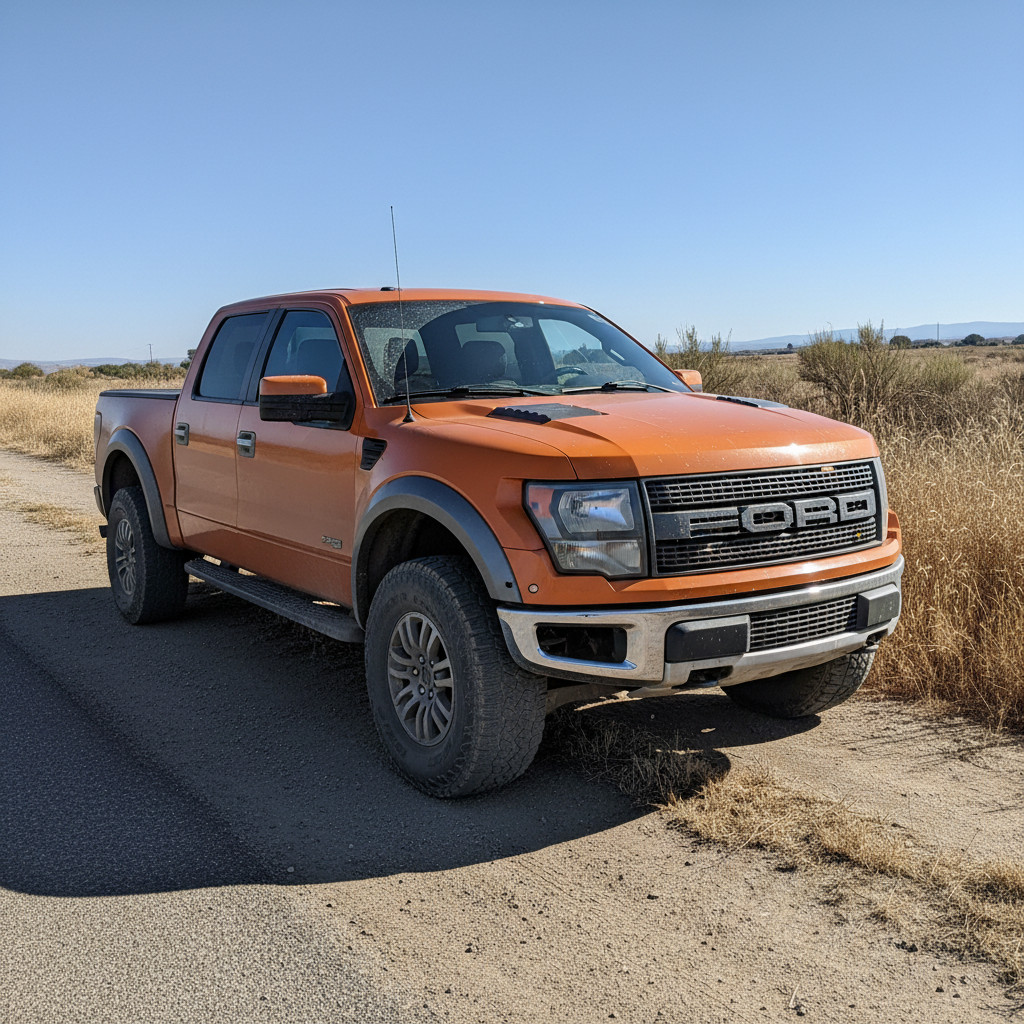
Ford decided to build a desert racing truck that you could buy right off the showroom floor.
You got Fox Racing internal bypass shocks that allowed you to jump the truck without breaking your spine.
It was seven inches wider than a standard F-150, making it a nightmare to park in a normal garage.
The 6.2L V8 was a thirsty, roaring monster that gave the truck the soundtrack it deserved.
You probably never took it to the desert, but you loved knowing that you could if you wanted to.
It became an instant icon and changed the way people thought about factory-built off-roaders.
7. 2011-2016 Ford Super Duty (6.7L Redemption)
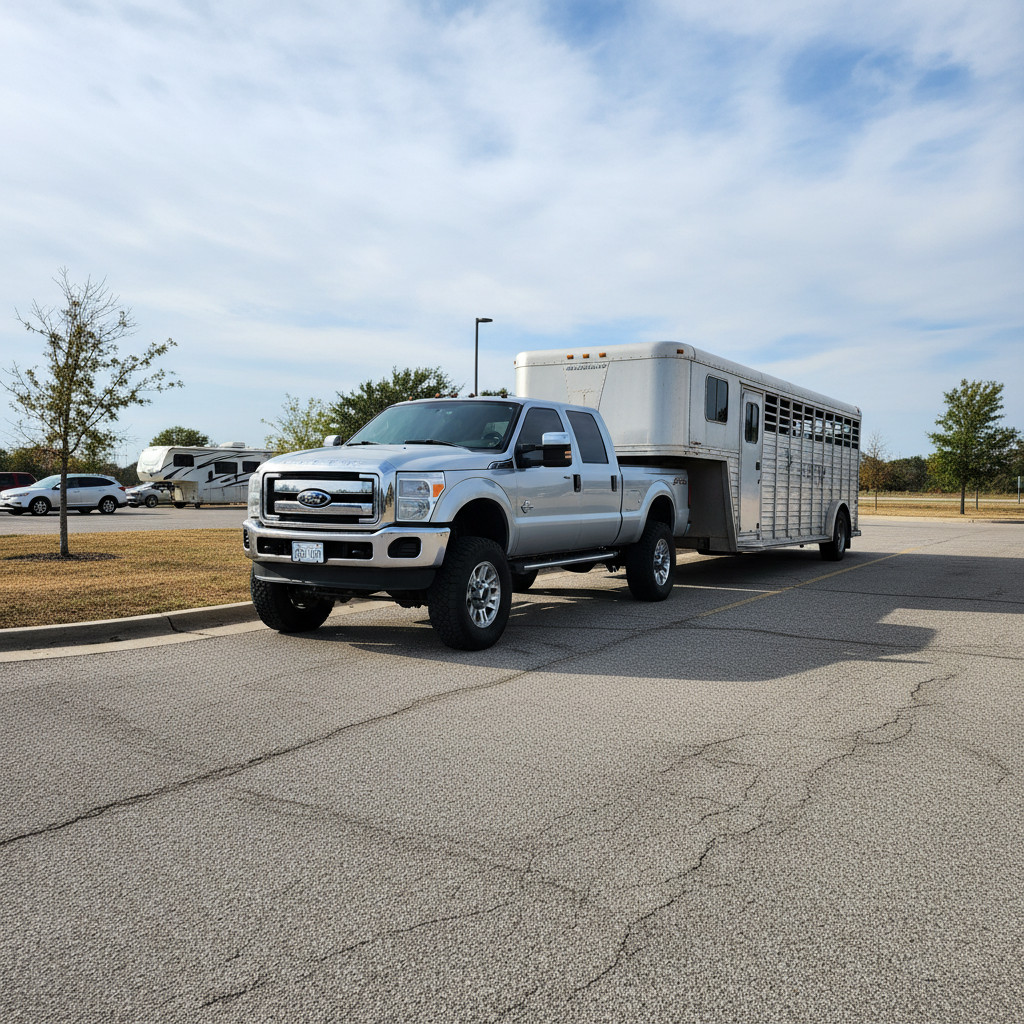
After years of diesel drama, Ford finally built their own engine: the 6.7L ‘Scorpion’ PowerStroke.
You finally had a diesel truck that didn’t need ‘bulletproofing’ just to survive a trip to the grocery store.
It was quiet, incredibly powerful, and proved to be the reliable workhorse Ford desperately needed.
The interior was still a bit ‘plasticky’ compared to the competition, but the mechanicals were solid.
You could tow 30,000 pounds with the F-450 version, which is more weight than anyone should reasonably handle.
This generation saved the reputation of the Super Duty and kept Ford at the top of the heavy-duty mountain.
6. 2015-2020 Ford F-150 (The Aluminum Revolution)
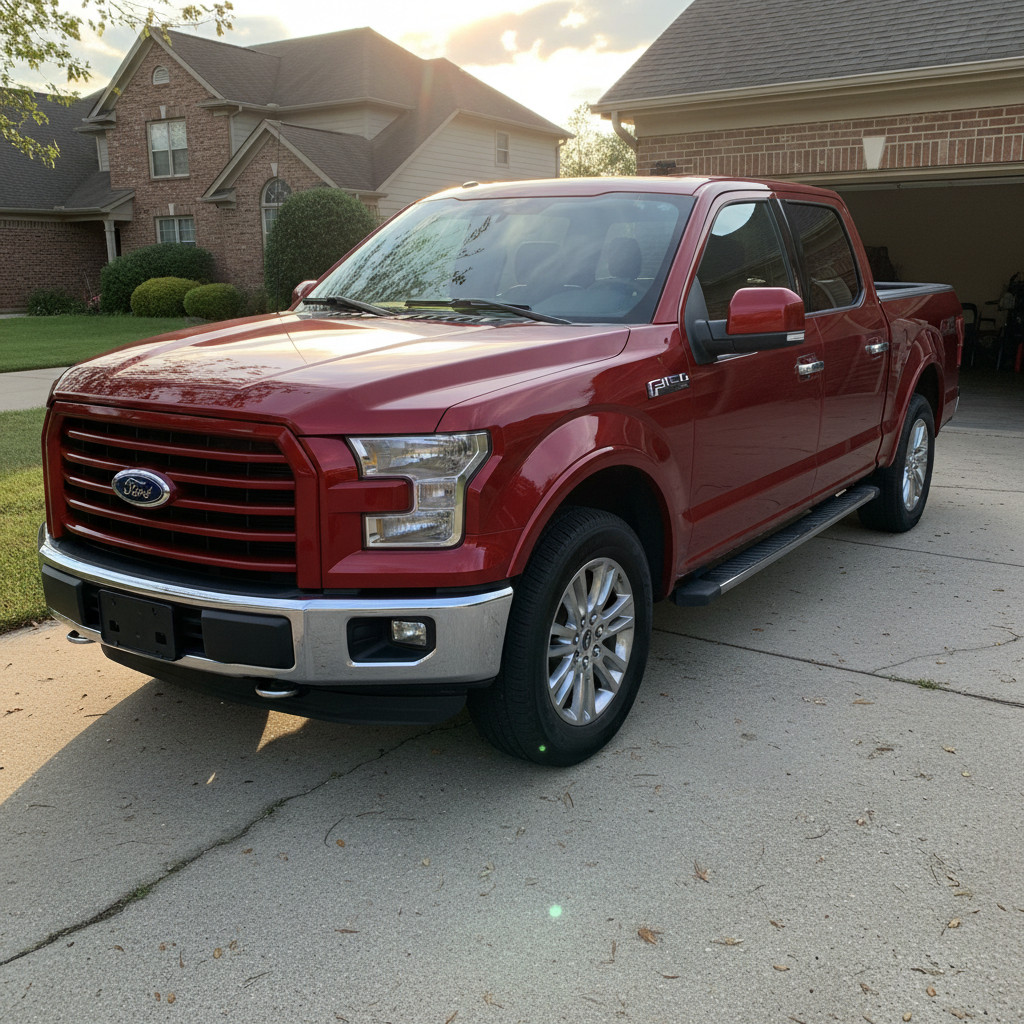
Ford gambled everything by building the body of their best-selling truck out of military-grade aluminum.
You were told it was ‘Ford Tough,’ but you were worried that a hail storm would turn it into a golf ball.
It shed 700 pounds of weight, which improved gas mileage and allowed for more towing capacity.
The 2.7L EcoBoost joined the lineup, proving that even a tiny engine could move a big truck with authority.
Repair costs for bodywork went up because not every shop knew how to weld aluminum correctly.
It was a massive risk that paid off, as the truck felt faster and more agile than any F-Series before it.
5. 2017-2020 Ford F-150 Raptor (The Second Gen)
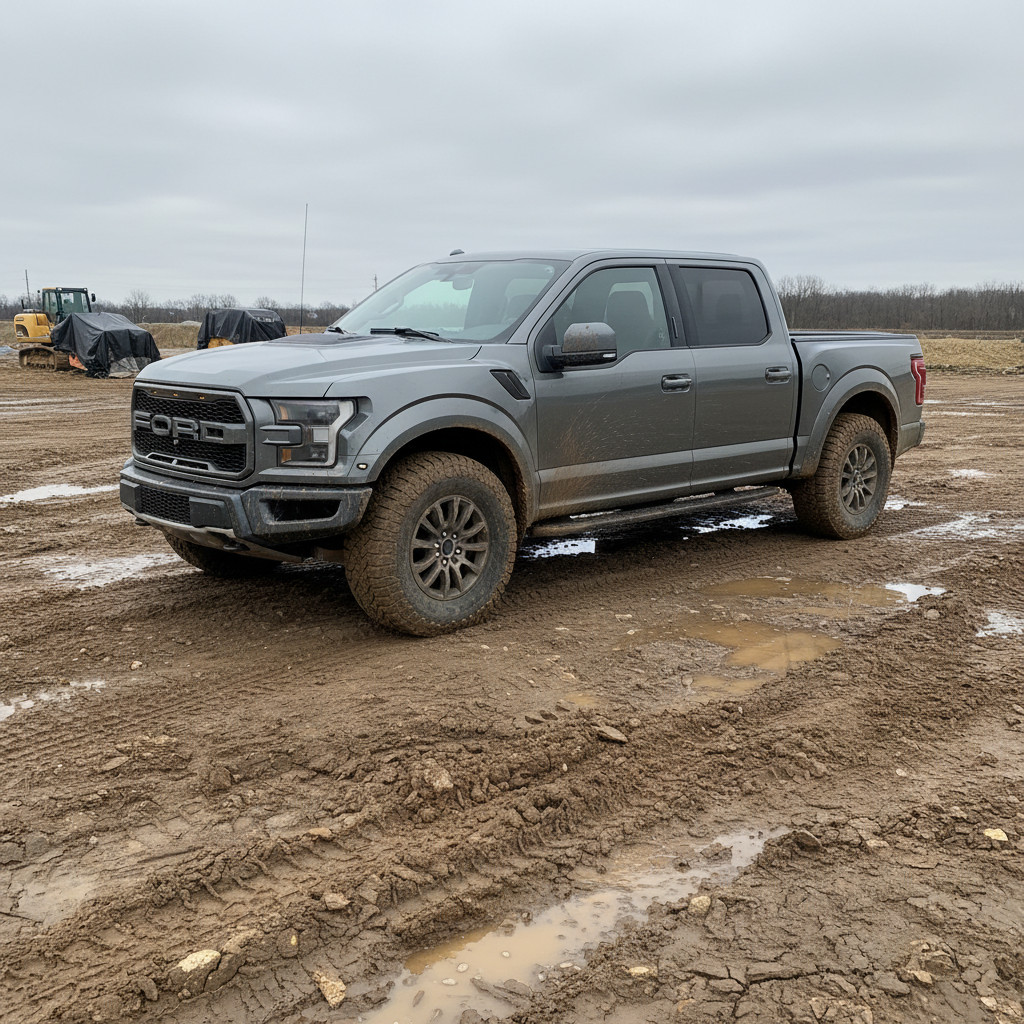
The second Raptor swapped the V8 for a high-output 3.5L EcoBoost V6, which made some fans very angry.
You missed the V8 growl, but you couldn’t argue with 450 horsepower and 510 lb-ft of torque.
It was faster and more capable than the original, with a 10-speed transmission that kept it in the powerband.
The suspension was further refined, making it feel like a trophy truck for the street.
It still looked like a predator, but it sounded a bit like a very angry vacuum cleaner.
Despite the lack of V8 thunder, it remained the undisputed king of the dirt until the competition finally woke up.
4. 2017-2022 Ford Super Duty (The Aluminum HD)
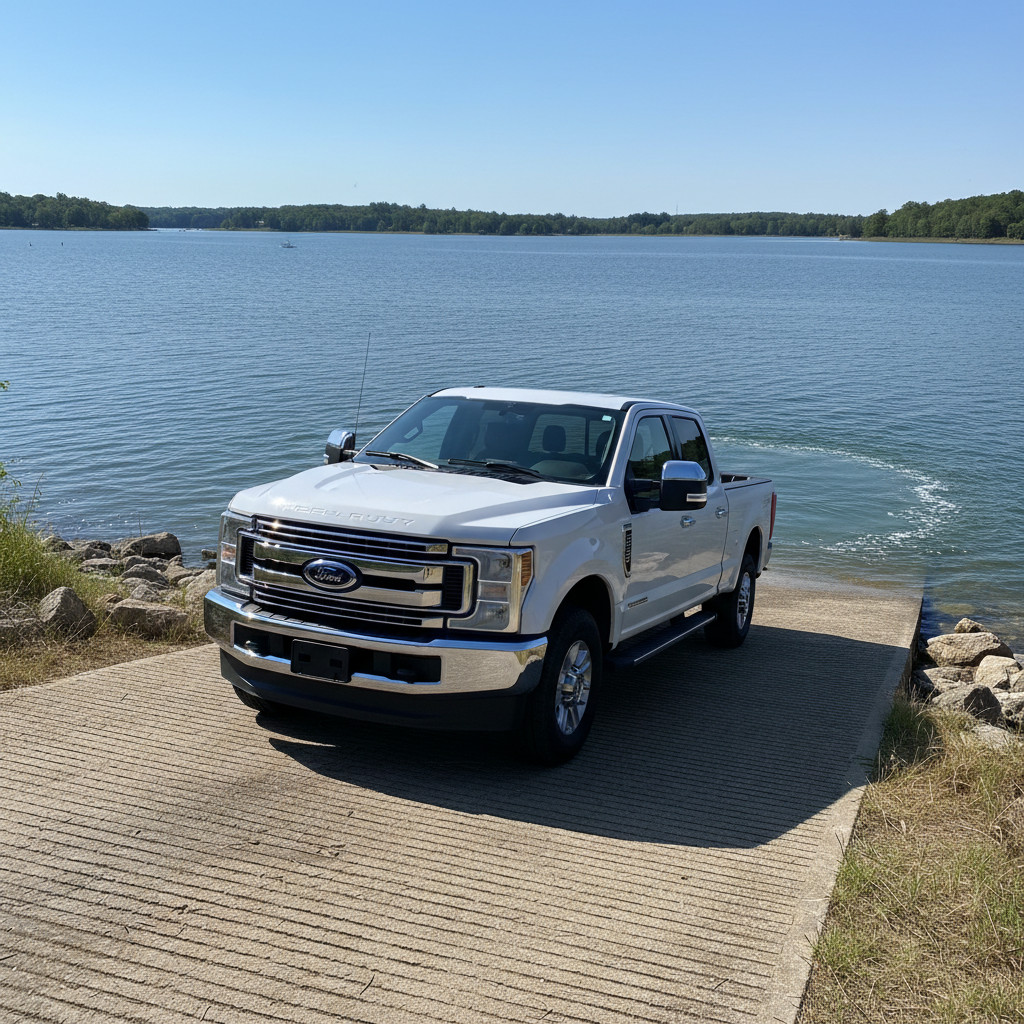
The Super Duty finally got the aluminum body treatment and a much-needed interior overhaul.
You got a truck that felt less like a piece of farm equipment and more like a luxury yacht.
The frame was made of 95% high-strength steel, making it the stiffest foundation Ford had ever built.
Technological aids like trailer reverse guidance made you look like a pro even if you were a total amateur.
The 7.3L ‘Godzilla’ gas V8 was introduced for people who wanted big power without the diesel complexity.
It was a massive, expensive, and incredibly capable machine that dominated the heavy-duty market.
3. 2021-Present Ford F-150 (The Fourteenth Generation)
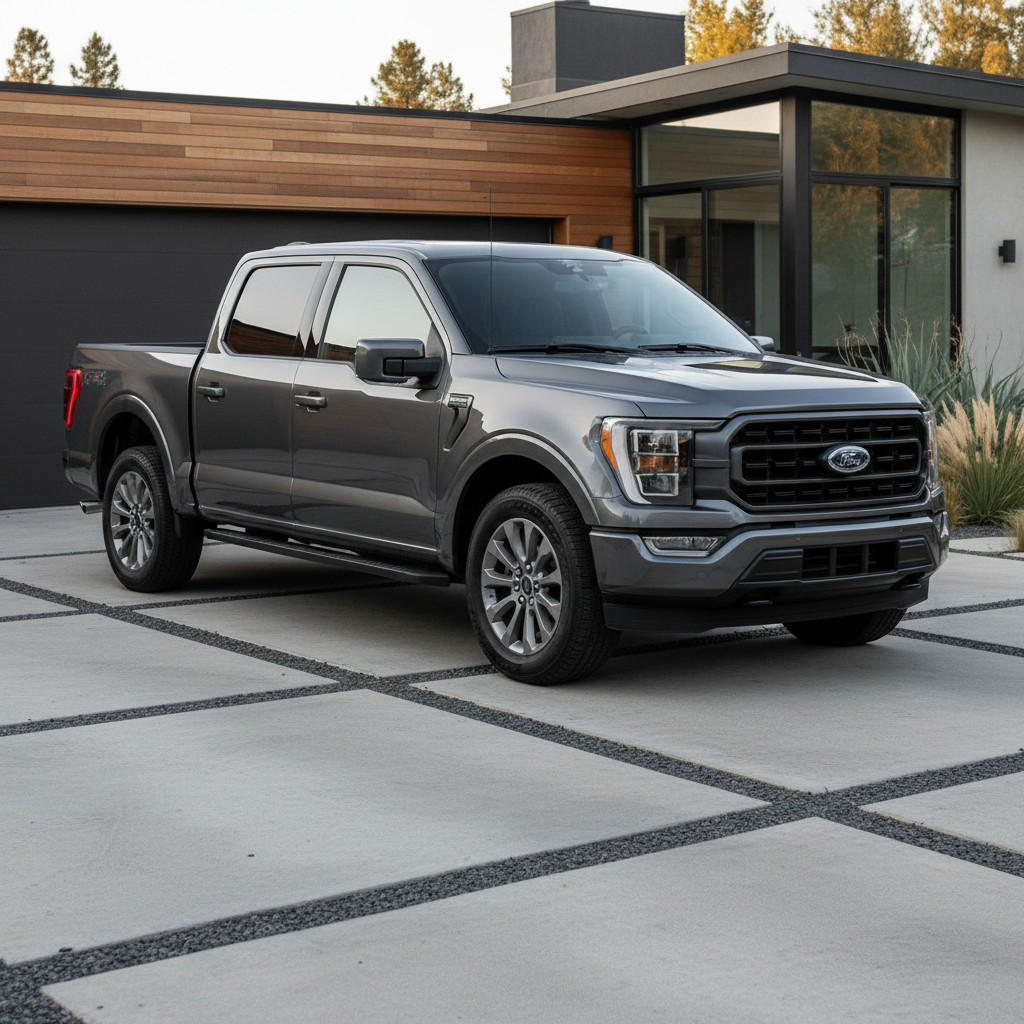
Ford didn’t change the look much, but they packed the new F-150 with more gadgets than a Best Buy.
You can now get a full hybrid ‘PowerBoost’ powertrain that can actually act as a generator for your house.
The interior features a massive screen and seats that fold completely flat so you can nap during lunch.
It even has a gear shifter that retracts into the console to give you a flat workspace for your laptop.
It is the most civilized truck ever made, though the price tag can easily soar past $80,000.
Ford is betting that you want your truck to be your office, your power plant, and your luxury sedan all in one.
2. 2022-Present Ford F-150 Lightning
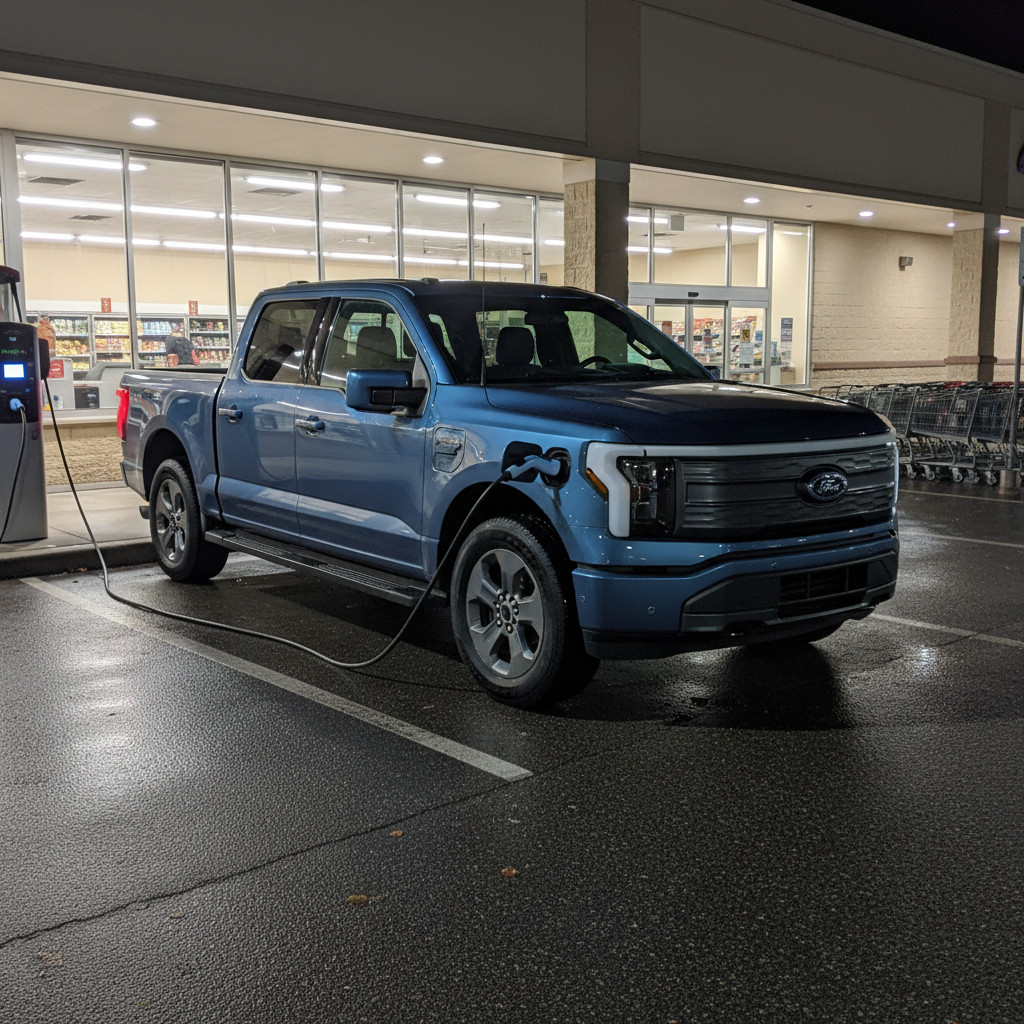
The world’s most popular truck went electric, and it didn’t even come with a loud exhaust.
You get instant torque that can pin you to your seat and a ‘frunk’ where the engine used to be.
It looks almost exactly like a regular F-150, which was a smart move to not scare off the traditionalists.
Towing heavy loads kills the battery range faster than you can say ‘range anxiety,’ which is a major hurdle.
But for a daily driver, it is silent, smooth, and faster than almost any gas truck on the road.
It is the beginning of a new chapter that has some people cheering and others clutching their gas cans in fear.
1. 2023-Present Ford F-150 Raptor R
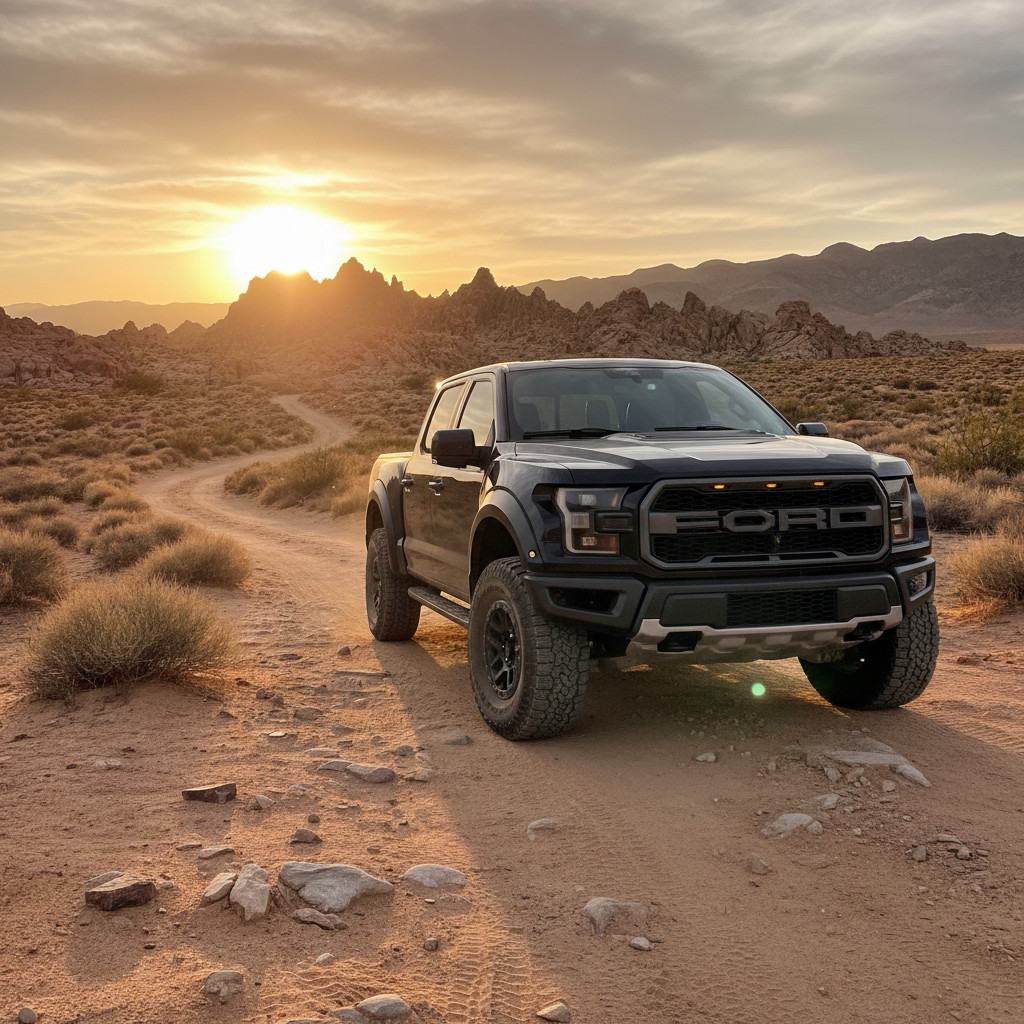
Ford finally listened to the screaming fans and put a supercharged V8 back into the Raptor.
You get the 5.2L ‘Predator’ engine from the Shelby GT500, pumping out a ridiculous 700 horsepower.
It sounds like the end of the world when you floor it, and it goes exactly as fast as it sounds.
This is Ford’s way of saying they still know how to have fun before the electric future takes over completely.
You will pay a massive dealer markup and spend a fortune on gas, but you won’t care one bit.
It is the ultimate expression of the F-Series: loud, proud, and completely over-the-top.
